Time travel.
If an ancient winemaker were to visit a present-day winery, they would understand what was taking place since winemaking’s basic steps have not changed through the centuries. Those steps follow, and an exciting video from the GuildSomm wine organization is included.
The mind.
Winemakers are responsible for taking grapes’ raw material and crafting wine. Much thought, energy, and effort go into producing a glass of wine.
Good grapes.
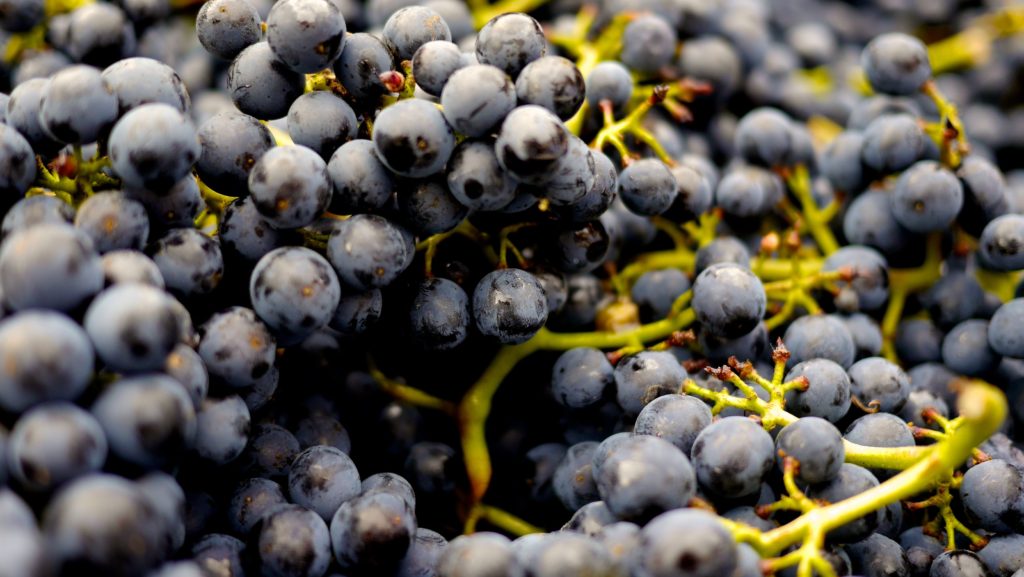
The saying goes, “You can make bad wine from good grapes, but you cannot make good wine from bad grapes.” Good grapes come about due to a well-chosen spot for a vineyard with enough sun exposure, drainage, and slope for wine grapes to thrive.
Next is knowledgeable vineyard management, a growing season with balanced sunshine and rain, and carefully harvested and handled fruit. The grapes are harvested after reaching the desired ripeness with acceptable sugar and acid levels determined by the winemaker, who will produce at least one of the five wine styles.
Five Styles.
Red wine is a non-sparkling wine with red or purple pigmentation made from red or black grapes. Color ranges from transparent red to inky purple and can be sweet to dry. Red wine obtains much of its uniqueness from skins, seeds, and sometimes stems as part of the process.
White wine is a non-sparkling wine with no red or purple pigmentation made from green grapes. Its color ranges from clear to golden and can be sweet to dry. White wine is not made using the skins, stems, and seeds; however, some skin contact with the juice for a short amount of time can add extra structure.
Rosé is a non-sparkling pink wine made from red grapes or red and white wine blends. Color ranges from light pink to cranberry and can be sweet to dry. Rosé wines are a blend of red and white wine or juice exposed to skins, stems, and seeds for a minimal time to obtain the desired color.
Sparkling wine can be red, white, or Rosé and contains bubbles. The colors range from red to white and rosés, and they are sweet to dry. The Traditional Method for sparkling winemaking creates the best CO2 bubbles by a second fermentation in the bottle.
Note: When serving, champagne or sparkling wine should be chilled to the ideal temperature. This Laser Wine Thermometer reads the internal temperature of the wine in the bottle before you pop the cork!!
Fortified wine is non-sparkling, mixed or “fortified” with brandy (distilled wine). It is usually red, but some white and Rosés exist, and it can be sweet to dry. Fortified wine starts with a neutral wine, and brandy is added during fermentation.
Enemies.
The winemaker must be aware and take steps to protect the winemaking process from problems that cause fermentation and flavor enemies. The most harmful things are too much exposure to oxygen and the presence of bacteria, yeast, and mold. These enemies of wine must be understood and controlled to make consistent, high-quality wine.
Crush.
The period from after harvest to fermentation is called the crush, and the first step in the cellar is also called crushing the grapes. A specialized crushing machine gently breaks the grape skins to let the best juice run free. At times, this high-quality free-run juice is kept separate for the best blend or varietal offering.
Press.
Pressing is a separate procedure after crushing that can be performed several times. It results in lower-quality juice blended or used for lower-quality wine. Pressed juice is lower quality because harsher flavors are squeezed from the skins and seeds.
The red and white wine processes diverge. Red wine soaks or macerates with the skins, seeds, and sometimes stems. In the case of some styles, maceration can extend to months.
by GuilSomm
Ferment.
Fermentation occurs by adding yeast strains, usually Saccharomyces cerevisiae, to the fresh grape juice or letting ambient yeast ferment the wine. Red wine is fermented with grape skins and seeds, and white wine is without them. Managing the fermenting wine requires keeping the fermentation on track so that a red wine gets the most from the juice being exposed to the grape skins and seeds. Temperature control is critical in fermentation, where reds are fermented at higher temperatures than whites.
Clarify.
Once the grapes are crushed, pressed, macerated, and fermented, the juice is separated from the solids and refined further by careful filtering or fining. Fining is done by adding substances to the wine to clarify it, depending on the juice’s state and the winemaker’s choice.
Age.
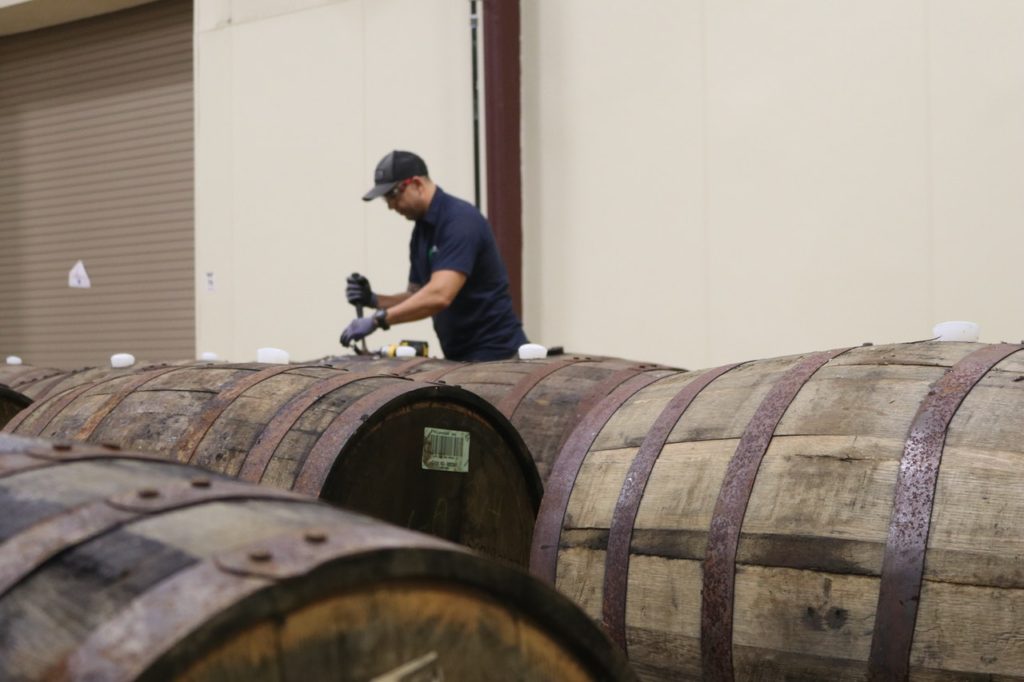
If it occurs, the wine is aged in stainless steel tanks, bottles, or wooden barrels. Aging the wine in barrels produces a smoother, rounder, and more flavorful taste. Steel tanks are commonly used for aging whites to retain all their delicate flavors and aromas.
Bottle.
Machines mostly do bottling and labeling, but some hand bottling is still in place. Also, winemakers can rent mobile bottling trucks, reducing the cost of owning and maintaining equipment.
Release.
In the US, wine is released to the public through distributors, then to retailers, or sold directly to customers at wineries.
