Shopping for wine can be overwhelming, but only if you go unprepared. To avoid buying a wine based on label art, you can start by knowing your taste preference (see our article There is a wine for you) and the desired style. There are five wine styles: red, white, rosé, sparkling, and fortified (ex, fortified wine: Port or Marsala). With this information, a knowledgeable shopkeeper can point you in the right direction and make recommendations. After that, it’s up to you! So, to help decipher labels, here’s some guidance:
By law, a wine label must include the brand name, wine type, alcohol content, bottle volume, health warning, sulfite content statement, and the producer’s name/address. The US label content, including label art, is controlled by the federal government’s Alcohol and Tobacco Tax and Trade Bureau (TTB).
What does the brand name tell you?
A brand is typically the producer, winery, vineyard, or a ‘brand wine.’ Brand wines are named for marketing appeal only, ex: “Petite Petit” from Michael David Winery, Lodi, CA.
Trust
Next, it’s helpful to know more about the brand, the owner, the winemaker, and their approach to winemaking. It’s good to see if they have a range of low- to high-quality offerings with different brand names for each tier. Are their wines rated highly by wine store staff, friends, or wine professionals? Are they organic producers? Are they overpriced producers? Have they been in the news, good or bad?
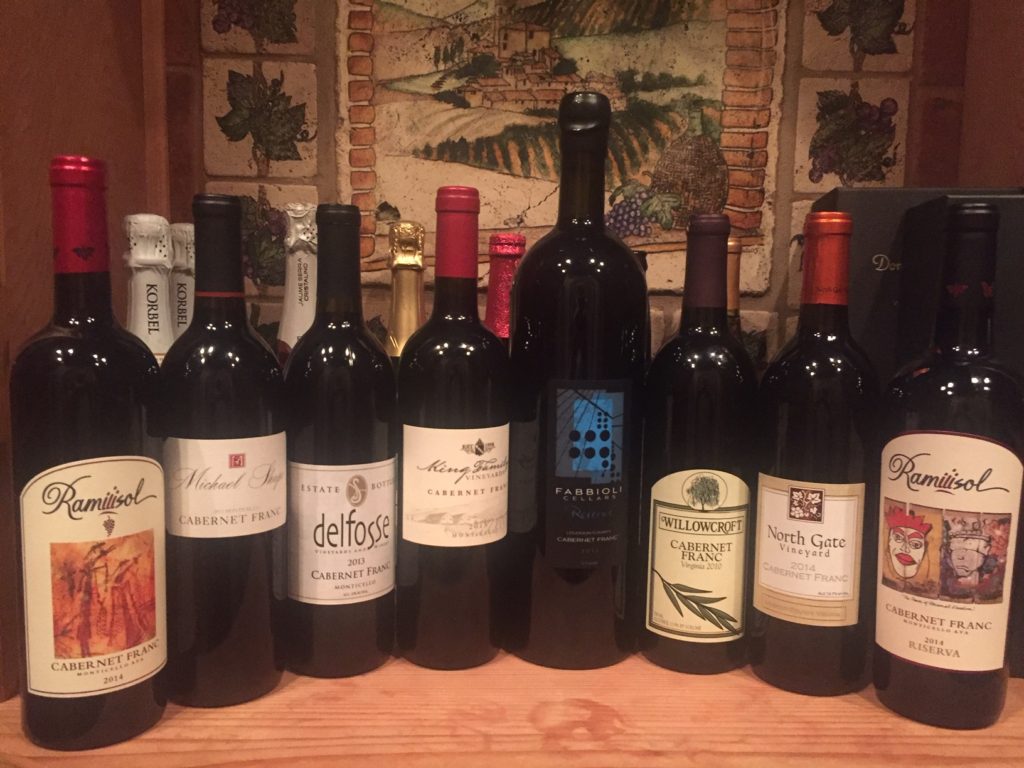
What does wine type tell you?
You’ll find the grape variety and origin in wine labels for wine made from one grape type. The origin is a country, state, county, AVA, or vineyard. For blends, just the origin. When both grape variety and origin are listed, at least 75% of the grapes used to make the wine are of that variety, and the entire 75% or more were grown in the place of origin; this applies to the country, state, or county.
If an American Viticultural Area (AVA) is listed on the label (ex, Monticello AVA in Virginia), at least 85% of the grapes must have been grown within its boundaries. However, if the AVA’s boundaries match a county or state, only 75% of the grapes must be grown there.
Estate Bottled listed on a label means that 100% of the wine is from grapes grown on land owned or controlled by the winery, which must be in a viticultural area. The estate winery must crush, ferment, finish, age, and bottle the wine continuously on its premises. The winery and the vineyard must be in the same viticultural area.
If a specific vineyard is listed, 95% of the grapes must be grown within its boundaries.
What does alcohol content tell you?
The alcohol level ranges from 7% to 16%; fortified wines are even higher, but most are in the 12% to 14% range. Alcohol improves wine’s mouthfeel; higher levels will feel richer, heavier, smoother, and have more body. Also, high-alcohol wine can have ripe fruit flavors since very ripe grapes contain more sugar, translating to more alcohol once fermented.
Wines with less than 14% Alcohol by Volume (ABV) may be labeled with their precise alcohol content or with Table Wine or Light Wine, so you may not find the alcohol content on some labels! For wines over 14% ABV, the alcohol content must be specifically stated.
Counting calories

What does the volume of the bottle tell you?
The net contents of a wine container must be stated in metric units of measure. The standard daily size is a 750 mL bottle containing about five 5-oz glasses. Wine must be bottled in 50, 100, 187, 375, 500, and 750 mL bottles. Also available are 1L, 1.5L, or 3L containers; anything over 3L must be bottled in even liter quantities.
Factoids to impress your friends
An interesting fact is bottle sizes have names: Split 187 ml, Half-Bottle 375 ml, Standard Bottle 750 mL, Magnum 2 bottles 1.5 L, Double Magnum 3.0 L, Jeroboam, two sizes: sparkling wine Jeroboam 3.0 L; non-sparkling 4.5 L, Rehoboam for Champagne only 4.5 L, Imperial/Methuselah 6 L, Salmanazar 9.0 L, Balthazar 12.0 L, Nebuchadnezzar 15 L.
What does the government health warning tell you?
Wine can bring pleasure to your life, and it can also punish you. Please learn to drink responsibly. This warning is mandatory for all alcoholic beverages on sale in the US and should be heeded.
What does the sulfite statement tell you?
Sulfites naturally occur in wine, more in red than in white, and help stabilize and preserve it. Sulfites are also added to wine in small quantities during winemaking to reduce oxygen exposure and prevent bacteria from growing and unwanted yeast from fermenting prematurely. A sulfite statement is required for all wines with over 10 parts per million sulfur dioxide. Wine labeled as organic must be free of any artificially added sulfites. Those labeled as made with organically grown grapes will have some sulfites.
What do the name and address of the bottler or producer tell you?
Domestic wines may have this statement further qualified with terms such as Produced, meaning 75% or more of the wine was fermented at the stated address. Vinted means that the wine was subjected to cellar treatment at the indicated address. Produced and Bottled by is used when the wine was bottled at the winery, which made it. The optional statement Estate-bottled is reserved exclusively for wines grown, harvested, crushed, fermented, processed, and bottled by a single winery estate within the boundaries of a single AVA.
